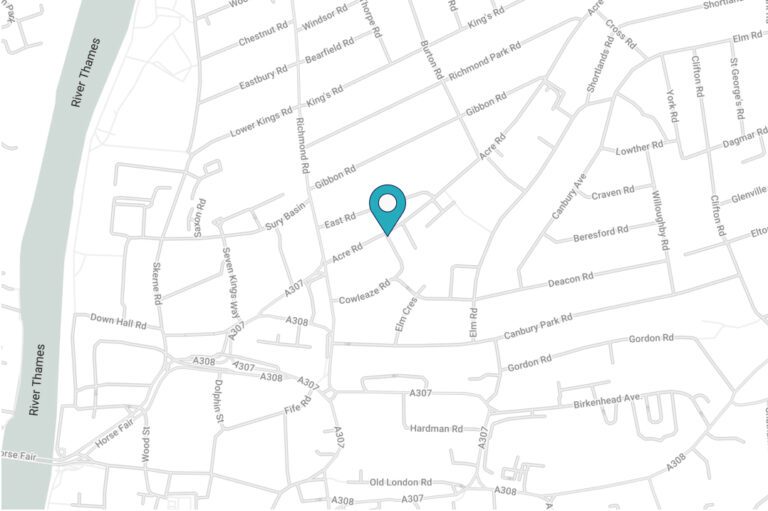



The Warehouse, 47-49 Cowleaze Road, Kingston Upon Thames, KT2 6DZ
+44 (0)208 541 3434

My journey to discovering brand purpose

Performance Communications Author Image Performance Communications | July 26, 2018

In the past 12-18 months, we have seen an increase in the level of attention paid to the subject of brand purpose.

However, ‘purpose’ has almost become one of those words that everybody uses and yet nobody really understands. And nobody dares to admit it. But I had to. I have recently started working with a client where purpose matters, so I suddenly found myself paying attention. Not wanting to just sound like a connoisseur in the matter but actually be one, I started to do my homework.

I visited the marketing websites and read the research but I only got more confused. Instead of finding a definition I could only find reasons on why brand purpose should or shouldn’t be a thing.

The ‘should be a thing’ advocates say that there is increased demand for purpose from younger consumers such as Millennials and Gen Z. In short, these days doing good is good business. In a market where near total transparency has been diligently curated by social media, and we are inundated daily with hundreds of products and ads, we are now looking closer at what brands do and say, not just what they sell.

On the flip side, team ‘brand purpose shouldn’t be a thing’ is adamant that companies are monetising social causes when actually a brand’s real purpose is to make money. Some brands, critics say, are just adding a social cause to a sales message and calling it a purpose. Should brands just forget about doing good, and simply stick to what they know best: creating desire for their products by talking about their USPs?

Cutting through all the pros and cons, what surfaced was the understanding that brand purpose seems to be a reason for a brand to exist without making profit.

But when did making money become a bad thing? Even charities have to make money to survive.

For me, making money shouldn’t be contradictory to being good. From a straightforward revenue point, companies using purpose well are creating value for customers, which increases sales and generates financial returns for shareholders.

These companies also provide employees with a sense of meaning and fulfilment. Happy employees are more dedicated to doing a good job, which leads to the business doing well in the long run.

In conclusion, as long as the brand’s purpose is meaningful, has longevity and brings an improvement to the world, it doesn’t really matter to me if it makes money. As a millennial, I know I’d rather buy something from a brand with a purpose than without. And surely that’s the whole point?

Related stories.

Don’t be distracted by the citations noise

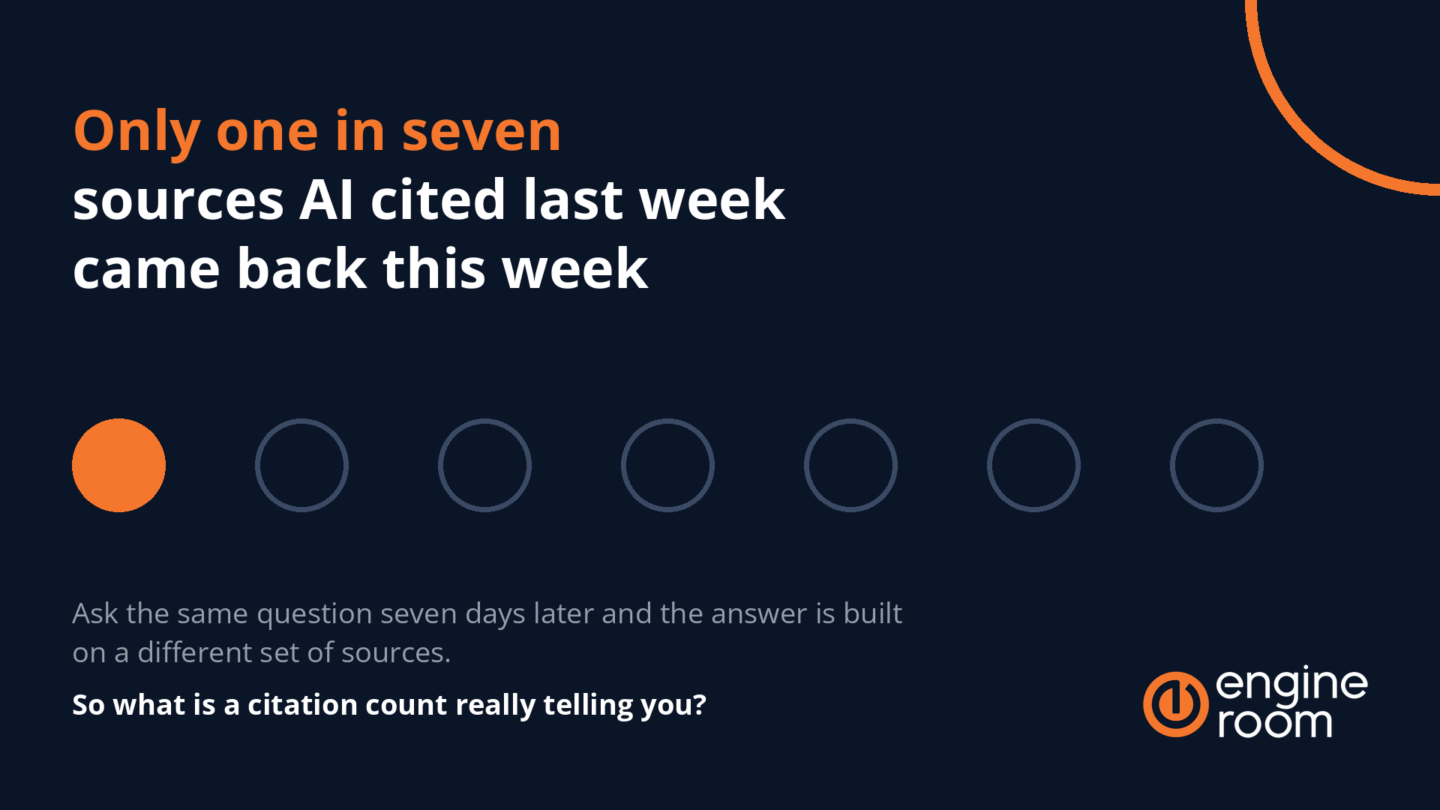
A recent study by AIVO says citations are noise. Run the same prompts three times, and it reports that the cited sources change 95.8% of the time. They then go on to identify that the brand recommended (after multiple follow-up questions) changes only 14.6% of the time. The implication is that brands measuring how they […]

Do you know which pages on your website AI assistants actually rely on?

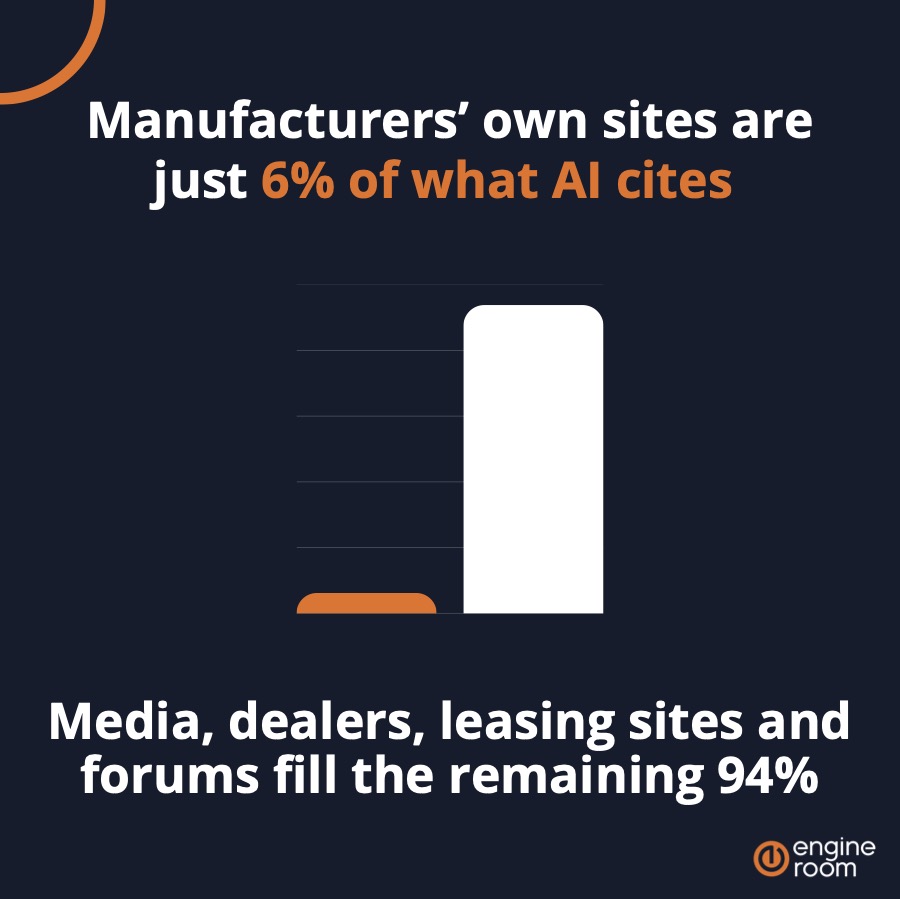
Most brands don’t. We looked at 62k AI answers to car-buying questions across ChatGPT, Gemini, Perplexity and Google AI Overview in the last three months. A few things stood out: • Manufacturers’ own sites are just 6.2% of what AI cites. Media, dealers, leasing sites and forums make up the rest. • Within that small […]

Authenticity is king on social, but agility will be crucial as big changes loom

When you think of influencer brand collaborations, you probably think of Instagram, right? Take it back to the noughties, when bloggers were busy building followings and communities around fashion, food, lifestyle and more. Brands quickly took note of their unique, authentic voices and the relationships they had built with their audiences – offering an alternative […]

Is Reddit worth the effort for AI visibility?

Reddit is the only forum that really registers (72% of forum citations over the last month) for AI tools, but it’s still a small slice: only about 6% of AI answers cite it. So, what pulls it in? Three question themes lead: practicality, reliability and electric. Together, they account for 37% of all Reddit citations. […]

Clubs risk driving away fans through underinvestment in their stadium experience

Ten years ago, our Future of the Sports Fan report highlighted how fans had increasingly high expectations of the live sporting experience. Today, Arsenal’s plans to modernise the Emirates Stadium shows just how seriously some clubs are taking that challenge a decade on. Despite being only 20 years old, the stadium is set for upgrades […]

How Automotive Awards Are Shaping AI Visibility

According to Engine Room, the RAC editorial pages are the fifth-most cited domain in AI search with the likes of ChatGPT, Gemini, Google AIO and Perplexity behind CarWow, What Car?, Auto Express and YouTube. This year saw the launch of the RAC New Car Awards. So how did this impact its AI visibility? RAC announced […]

AI Search Is the New Top of the Funnel for Automotive Brands

AI search is now the top of the funnel for car sales. Rather than a page of links and magazines off the shelves, car buyers are asking ChatGPT. And those clicking through from AI are four times more likely to convert. It means understanding how you’re appearing on AI platforms, such as ChatGPT, Perplexity, Gemini and […]

What Makes AI Recommend One Car Brand Over Another?

We know that online search is changing as car buyers switch to AI over traditional search engines when researching their next vehicle. So what makes ChatGPT and other LLMs surface one car brand over another? The answer starts with consistency. A consistent brand voice across every digital touchpoint – your own digital content, social media channels […]

Be Bold.

It’s time to come off the fence:


Message us