





 Performance Communications | يناير 23, 2015
Formula One was much better in the 1990’s. V10 and V12 monsters roared at over 19,000 RPM and looked simply stunning in the heritage liveries such as those of Benetton, Williams and McLaren.
F1 could be likened to Bullfighting in that it causes lots of controversy and frequently has to water-down its practises in order to present a wholesome form of sporting entertainment. Most recent of these controversial regulation changes are in the engine department; the full impact of this change on the sport is yet to be realised, as engine philosophies move towards a more environmentally-friendly approach.
Eight years ago, the global ban on tobacco advertising in Formula One changed the sport forever; what impact has this had?
The visual attraction to Formula One cars is largely due to their (once) brightly-coloured liveries, although advances in technology and aerodynamics has also had an impact. Formula One cars are the world’s fastest, most expensive moving billboards and, since they stopped racing for Tobacco money in 2007, what has happened to them? Eight out of 12 cars on last season’s grid were either mostly black, grey/silver or white, with exceptions being the green of Caterham, Ferrari’s Rosso Corsa and Red Bull/Torro Rosso’s blue.
I personally just don’t find the ING or Vodafone logo as romantic or sensual as that of Schumacher’s championship-eating Marlboro Ferrari or even Jordan’s bright yellow Bensons & Hedges cars with the brilliant snake head/hornet design.
The new generation of F1 sponsorship comes largely from huge financial institutions – that’s literally where the money is now, it’s also where the target audience is, as the enigmatic Bernie eloquently pointed out.
In 2013, I shared a Jalopnik blog featuring artwork that re-imagined vintage liveries onto modern Formula One cars, the effect it had on me was one of surging nostalgia. I imagine the goosebumps I would get seeing the 2015 Williams emerging from the garage for race one adorned with the Blue and Gold Rothams livery that I was such a huge fan of in my Damon Hill fan-girl days.
With the change from tobacco to more corporate sponsorships, the sport was presenting a healthier, more wholesome vision of family entertainment and sporting excellence, where its idols wouldn’t dare to light-up post-race, a-la James Hunt. Tobacco-free F1 may be more Karma-centric and populist, but the cars still bare logos for Johnnie Walker and Martini, which is a bit hypocritical as association of alcohol with driving has to be as bad, if not worse than Tobacco? Ah but the cars looked so good!
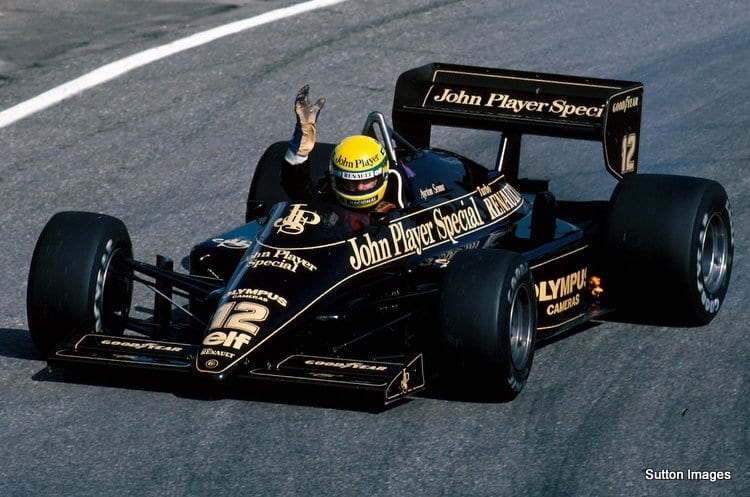
In 2008, media mogul Simon Fuller oversaw a project where the Honda racer famously wore no advertising at all in the year following the ban, an image of the earth covered the car instead, showing its environmental intentions clearly. Honda exited F1 the following year (and then won the championship the following year under the team name of Brawn). Lotus still uses the famous Black and Gold colours from its John Player Special days, the fans just associate with it somehow, for some reason.
In 2008 the Jordan B&H title sponsorship logos were tweaked to read ‘Buzzin’ Hornets’ or ‘BE ON EDGE’ (BENSON HEDGES) in order to avoid plummeting into financial chaos following the ban on their multi-million pound financial backing.
Most controversial of all, Ferrari is still to this day, receiving millions of dollars in sponsorship, minus the vehicle decals (apart from the symbolic barcode that appeared on the cars until replaced by the Santander logo.) Ferrari has replaced its outgoing director, Marco Mattiachi, with former Philip Morris marketing chief, Maurizio Arrivabene. When filming Rush, producers had to apply for special permission to show close-ups of the Marlboro branding on Niki Lauda’s car. Muddy waters right there.
Red Bull is an example of why modern brands would chose to advertise in the controversial world of F1. An energy drinks company wants a brand that promotes energy, speed and risk – much like Formula 1. We all subliminally know that Ferrari is associated with Marlboro and both brands relate to the ideals of manliness and risk. Red Bull and other brands have been criticised for aiming their sugar-filled drinks at children, which is bad – let’s ban them!
The point I’m making is; does it really hurt to have the iconic liveries on the cars even if they carry negative associations of tobacco companies? For a sport struggling to remain relevant in the modern world, maybe some eye-catching heritage liveries would make people take more notice and remember how great the sport once was?
There’s been a lot of buzz around Mclaren’s return to the Honda livery for 2015 – many, including myself, hoped to see a return to the famous red and white raced by Ayrton Senna in the 80’s. Sadly, it wasn’t to be the case. The brightest colour on the new car denotes the SAP logo – a German multinational software corporation.