





 Performance Communications | أغسطس 8, 2018
Historically Test cricket has been the pinnacle of the sport. However in recent years the game has failed to engage younger fans in the same way white ball cricket has. Having worked at Lords myself, I’ve witnessed the sell-out T20 Blast matches in comparison to the nearly empty county championship matches. The viewership figures for the last day of the 2015 Ashes series was just 467,000, considerably lower than the 2005 Ashes series which brought in over 2.5 million viewers every day. The overriding message is clear, if international Test cricket is to survive it must adapt.
The reasoning for the slow death of Test cricket is partly due to the lack of competitive Test matches. Matches become predictable as touring teams are much more likely to lose on pitches designed to suit the home side, therefore failing to produce enough excitement for the fans. Nowadays Test matches rarely last five days with most batsmen failing to keep their wickets for long periods of time as their techniques are more suited to white ball cricket. This is hardly surprising when they can be offered hugely lucrative contracts from foreign T20 leagues such as the IPL and the Big Bash. The recent controversy surrounding Rashid’s call up to the England Test side after choosing only to play white ball cricket domestically highlights Test cricket’s slow decline.
Test cricket’s most fundamental viewership issue is its inability to encourage the younger generation to come to games without alienating its older traditionalist fans. Test cricket is still mostly exempt from fireworks and loudspeaker music whereas white ball cricket has incorporated these entertainment features to great effect, helping broaden the appeal to younger fans. Personally I think if these were used moderately, for example between wickets rather than every over this would not upset older traditionalist fans and would improve the spectacle of the game. I also think fans would benefit from players being hooked up to microphones so that they could speak to the commentators mid game. This would add a new feature to television and radio coverage and offer an interesting insight from the player’s perspective mid-Test match.

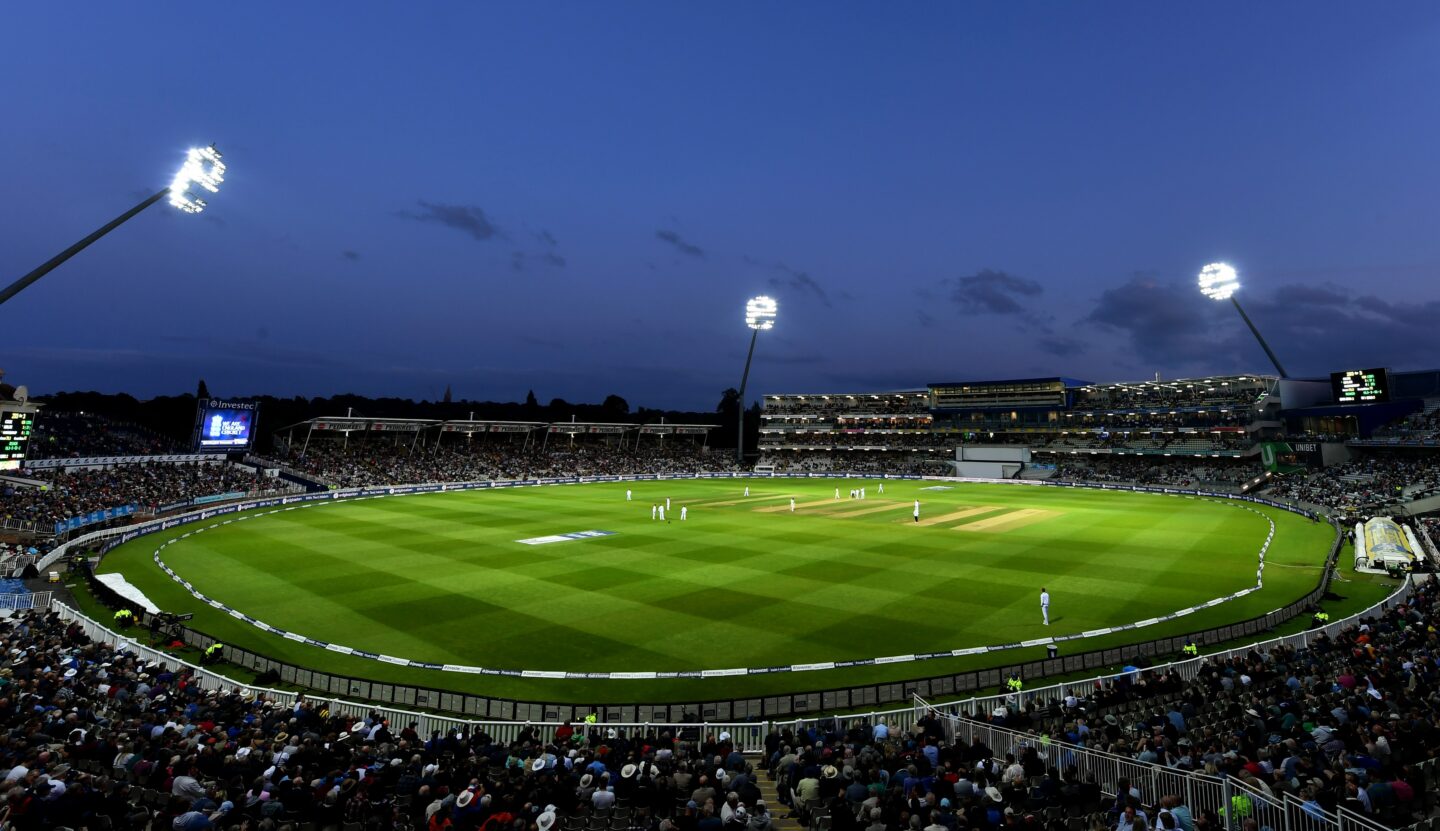
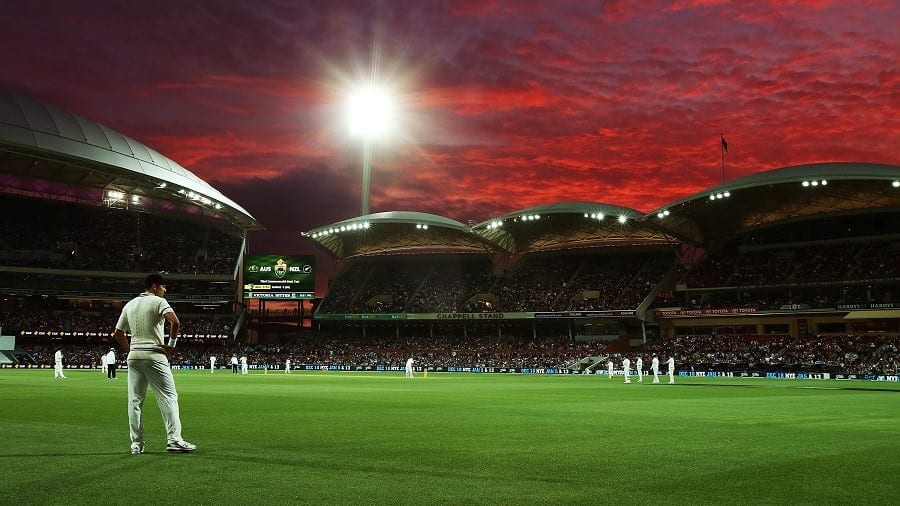
Another avenue explored to try to increase Test cricket viewership was the day-night Test match starting at 2pm in the afternoon and playing late into the evening. The first day-night game was played in 2015 between Australia and New Zealand and provided a convenient opportunity for fans to watch the cricket after work. Persuading the spectators of the benefits of the day-night test match is easy; however the players have proved the biggest stumbling block, often complaining about the visibility and durability of the pink ball. This is why only one day-night Test has been played in England, highlighting the difficulty to introduce new innovations to the old fashioned rigid Test match system. Nobody likes change but if cricket governing bodies persevere with the day-night Test matches then the pink ball will become less of an issue as players become more adjusted to the ball and the night conditions; therefore more of these games must be planned for the successful survival of Test cricket.
The current Test series between England and India is re-energising fans with some enthusiasm. Moments such as Virat Kohli’s ‘mic drop’ celebration after running out Joe Root in the first Test create added drama for the fans whilst likely ensuing a long lasting rivalry over the next four tests. There is more reason to be optimistic about Test cricket’s future with the inaugural ICC’s World Test cricket Championship beginning in 2019.

I am strongly of the opinion that Test cricket can survive with more exciting innovations and competitive matches. However we must accept that T20s and one day internationals have become equally important to the future of cricket and I believe if they can co-exist, then there is a role for all the different types of cricket.
Toby Lyons (Intern)