



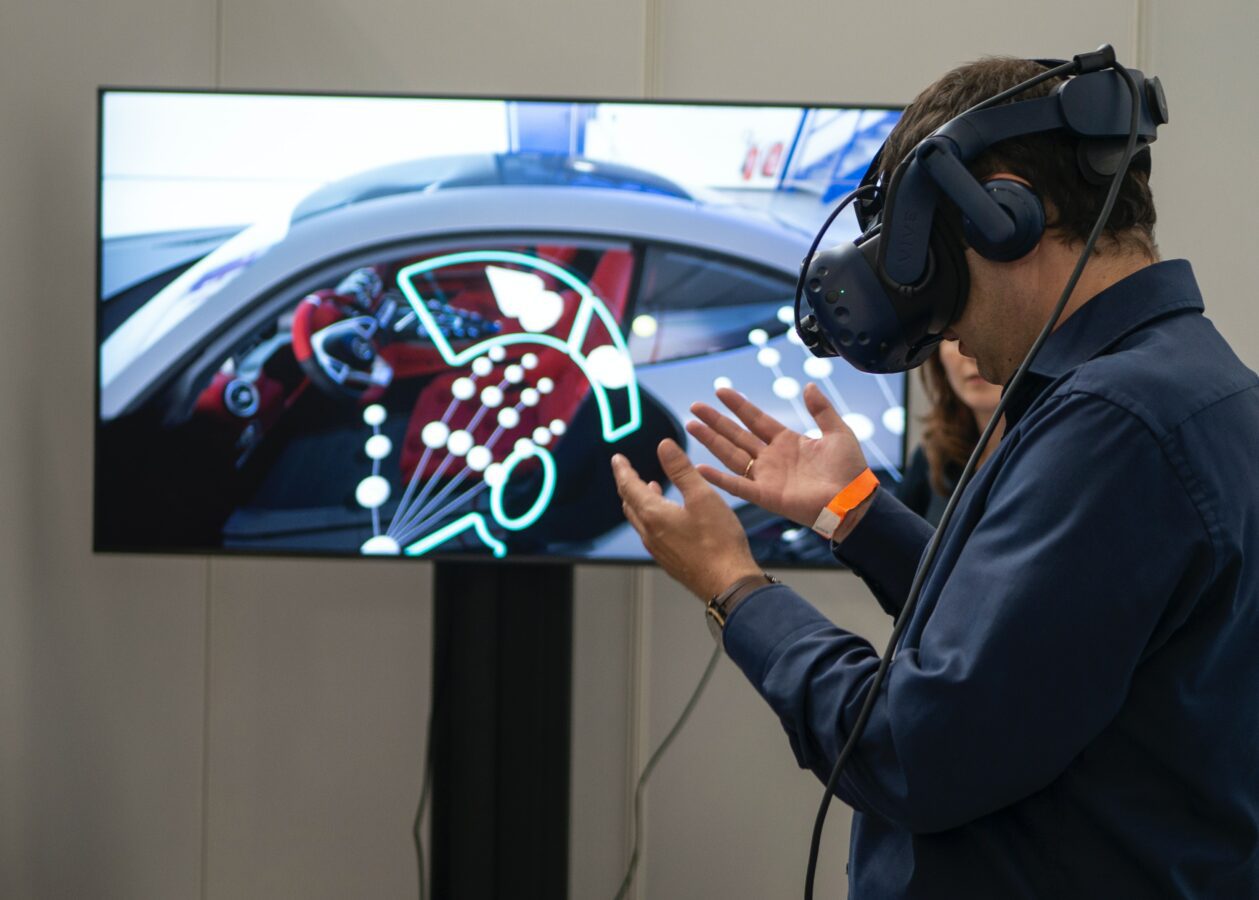
 Performance Communications | أغسطس 2, 2021
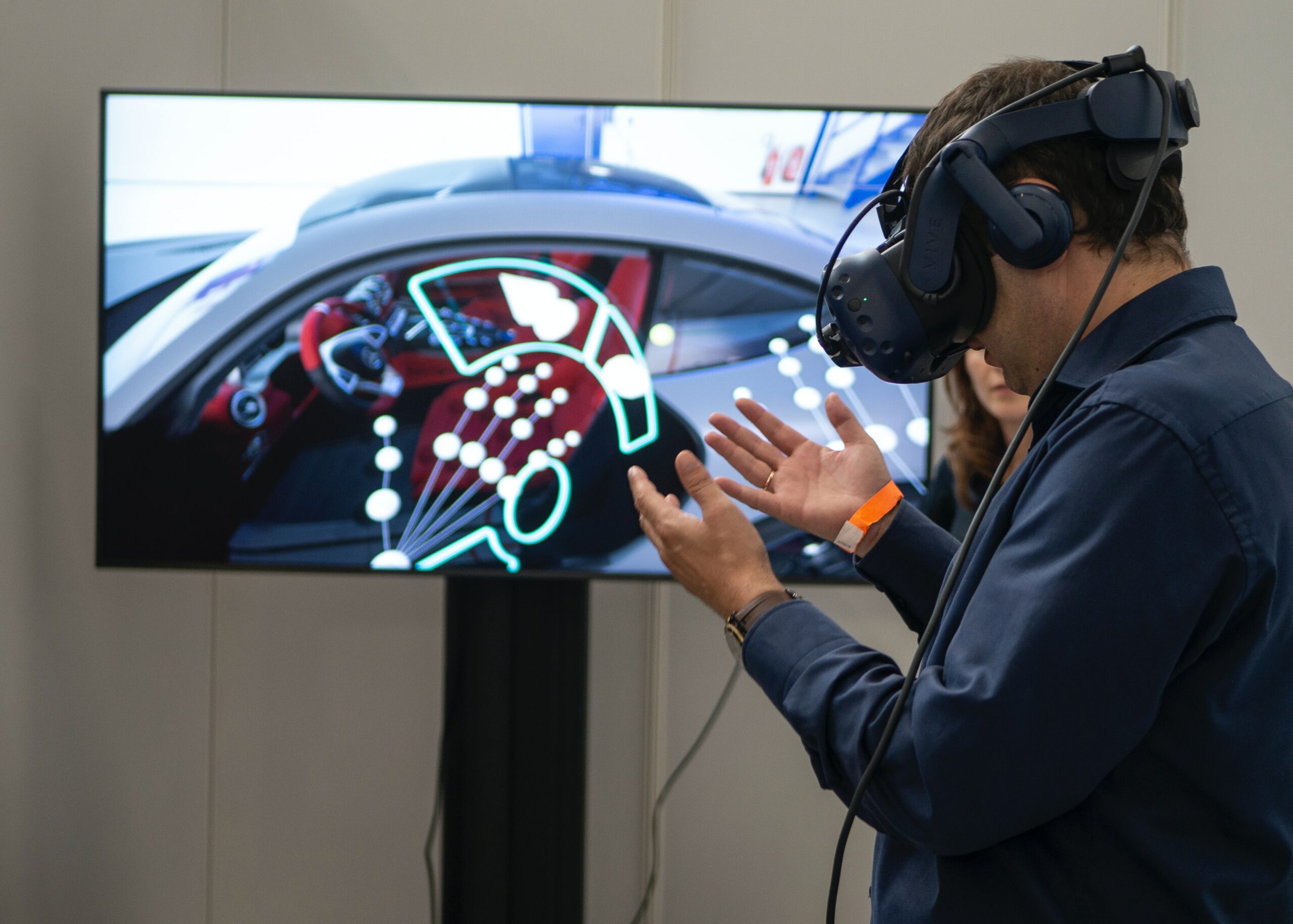 It’s official. Metaverse is the new technology buzzword of the moment. And that’s no real surprise after Mark Zuckerberg’s recent interview about the future trajectory of Facebook. “In the coming years, I expect people will transition from seeing us [Facebook] primarily as a social media company to seeing us as a metaverse company” he said.
Just like that, one of the world’s more powerful (and most controversial) brands is preparing to pivot. So before we dive into it all. What is a metaverse? Why the hype now? And what does this really mean for (Facebook and) us as marketers? Here is a quick low down.
What is the metaverse?
There are countless metaverse definitions out there (like this one on Wikipedia) but you can think of it as an alternate digital reality where people work, play, shop, consume and socialise. It is a shared, infinite space, where people are represented by digital avatars, where social norms can be rewritten, and where users can be whoever they want to be. Here is a visual example from Adobe of what a metaverse could look like (it gets interesting around 2 minutes in).
As a concept, the metaverse is nothing new. Players (or residents) of Second Life have been interacting in a virtual world, creating buildings, buying clothes, attending social gatherings, and even studying in college classes for seventeen years now. Despite its age, the platform still continues to attract 900,000 regular users who are choosing to escape reality and embrace this digital way of life (a ‘pandemic boost’ did also recently help to boost numbers).
In many ways, Second Life paved the way for some of the biggest computer games across the globe today, including Fortnite, Minecraft, and Call of Duty, which have each created massive multiplayer online (MMO) maps and detailed world for players to roam. But this is where Mark Zuckerberg’s announcement gets really interesting. The metaverse Facebook describes is not a game, it is a universal digital platform, held up by highly sophisticated new technologies, that will forever change the way consumers and brands interact.
Why the hype now?
The concept of a metaverse may not be new but innovations in technology have recently combined to transform its potential. Virtual reality may have been fighting an uphill struggle for mainstream adoption for years, but today it is set to transform the metaverse by allowing users to explore fully immersive worlds (this explains the $2.3 billion price tag that Facebook paid for Occulus bask in 2014).
Next up is the non-fungible token (NFT). This is the metaverses currency of choice. When you are (one day soon) walking through your fully immersive world and you see something you like, NFTs are what will enable you to purchase that item as a unique digital file (or collector’s item). As they exist on a blockchain, their record of ownership is publicly accessible. (This may sound like a gimmick, but it is already big business with $40m being spent on NFT transactions every month – including the ‘Charlie bit my finger’ video which recently sold for £53,8000).
AI is another critical component of the metaverse. For those who wish to embark on a bit of a geek dive on this topic, here is a fascinating read by Jon Radoff. “It [AI] will drive all seven technology layers, powering spatial computing, providing scaffolding to creators, and supplying new and sophisticated forms of storytelling.” This side of the story gets particularly interesting (scary) when you start to imagine the roll AI could have to play when data from the physical world is brought into the metaverse.
What does this all really mean?
For Facebook, the metaverse offers a step away from its ad-based revenue model (although this will still be prevalent) and it will create untold opportunities to work more creatively with brands who wish to access these virtual spaces. In the not too distant future, we won’t just be logging into Facebook, we’ll be living, socialising, shopping, consuming, learning, and even dating inside it (assuming the Facebook metaverse comes up trumps against other big competitors including the likes of Google, Apple, Nvidia, Disney, Fortnight and Roblox that is).
For us as marketers, this means we now need to get creative and curious, quickly. We are officially at the stage where we must seriously consider activations and content for both physical and digital worlds, or else risk getting left behind.
Just yesterday, Coca-Cola partnered with Tafi (a startup that makes avatars and 3D content) to auction its first NFT. Last month Netflix launched a gamified version of the Stranger Things Starcourt Mall on Roblox (another metaverse platform). And earlier this year, Gucci debuted a two-week virtual exhibition (also in Roblox) to mark its centenary. The once infamous Travis Scott, Fortnite concert has quickly become old news.
Some of this may feel and sound like something out of a Black Mirror scene, but it’s the future we are quickly heading towards. The metaverse has the potential to become an entirely new iteration of the internet, it will challenge our established system of the world (you can read more on that here), and as a technology, marketing, and gaming lover, I for one can’t wait to see what it holds. If any of this strikes a chord with you, if you’re looking to launch your first NFT or get creative in a virtual world, we’d love to hear from you. See you on the other side.
Image credit to Venture Beat