





 Performance Communications | أبريل 16, 2020
I’m going to say something to spark a debate…I think it is the right time to do away with the copybook tradition of the ‘international car launch’. Not just the static one (the old guard motor shows and the trend of destination ‘reveals’) but the dynamic ones too.
It’s something I’ve mulled over for a while now, but the world is re-shaping before our eyes, and with it, some of the ‘old ways’ could – and maybe should – change with them.
It’s a statement anchored in being sustainable, being responsible, being realistic.
Why?
The backlog of new car launches is understandably building up.
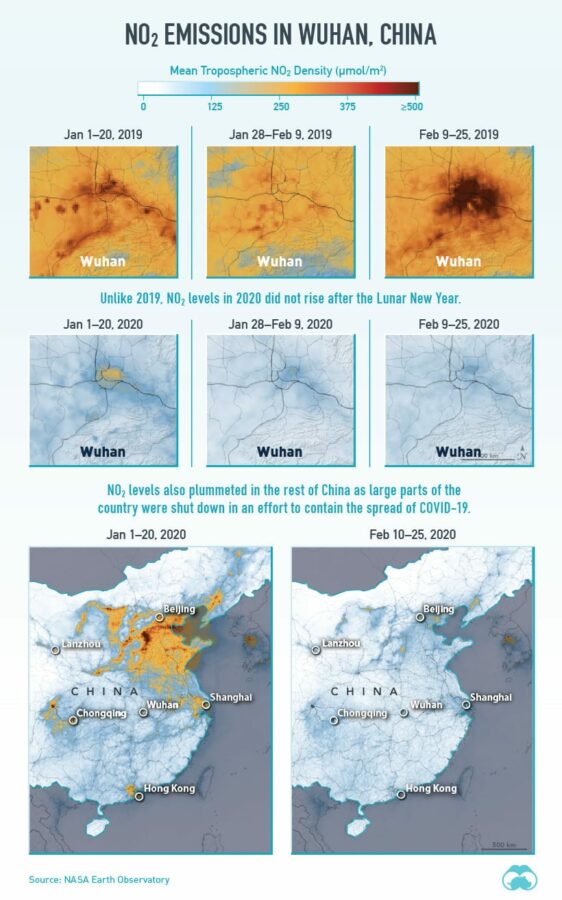
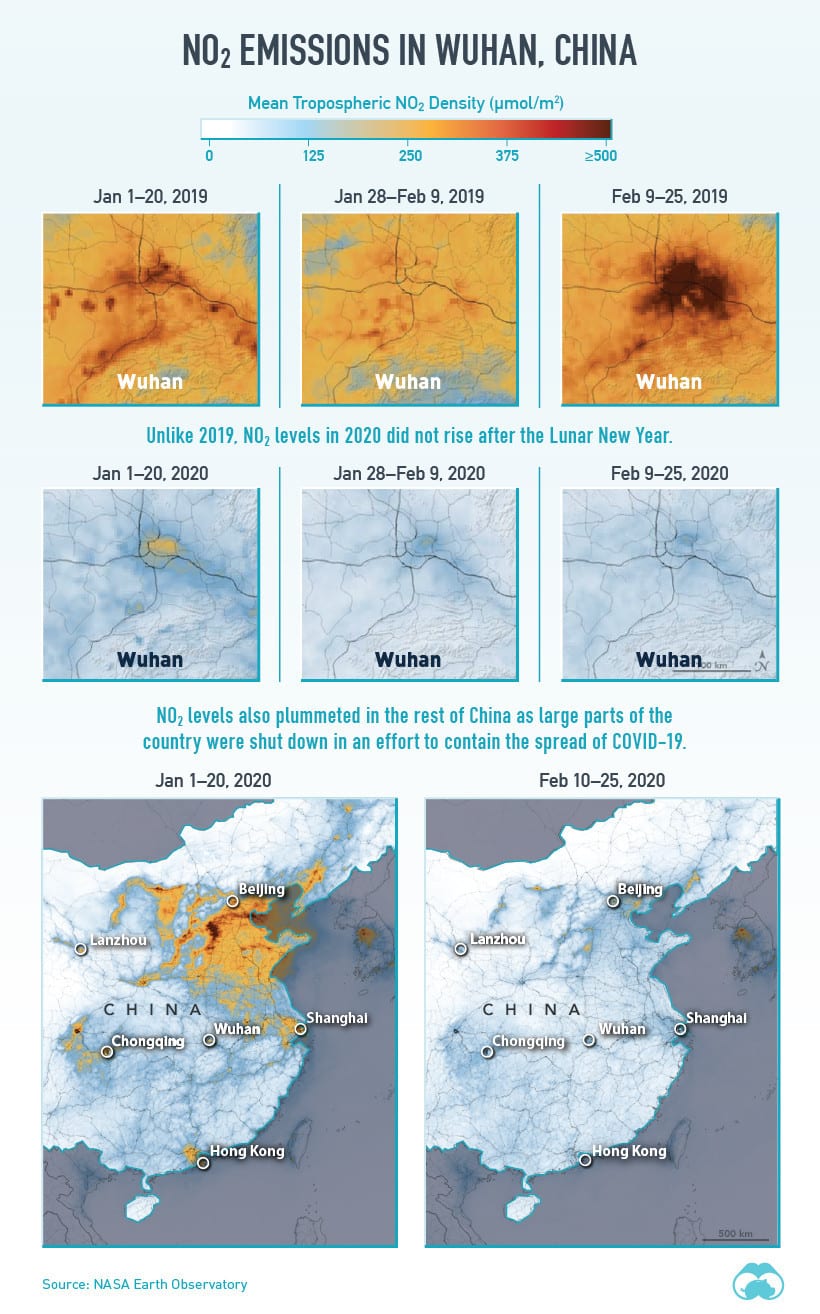 Mother Nature is cleansing itself as its inhabitants stop moving from A to B on the ground and in the air. We’ve all seen the NASA pictures. It’s astonishing.
For much of the foreseeable, international travel and cross-border movement of people will be tightly monitored and controlled as the world tries to stop the pandemic turning into an endemic.
Prior to COVID-19, we were all focused on Climate Change; the fast arriving date of 2050 for Carbon Neutrality and the legislative stepping-stones of 2035 or 2040 for the end of fossil fuelled cars.
In other words, the carbon footprint of an international car launch was only ever going to come under increased scrutiny as the industry moved its focus from eliminating tailpipe emissions today to the operational and supply chain tomorrow.
Here’s the theoretical blueprint of the ‘dynamic’ international car launch.
You choose a location that a) plays up the positives of the car b) gives the media photogenic or narrative-enhancing landscapes to capture c) allows key execs time to explain and extoll the virtues to the media in a compressed timeline and d) provides controls and balances from HQ to all the markets – everyone gets the same presentation, the same driving routes, the same messages etc.
That’s how it’s always been done. And there’s huge merit in the blueprint. It’s served both the industry and the media well.
But, surely, we’re in a different timeline now?
I think change is a must for international static reveals now (and thus traditional motorshows).
The likes of McLaren turned on a sixpence and proved that the cancellation of Geneva was not a showstopper for its latest numerical and alphabetical iteration. The key messages, positioning and soundbites were delivered via screens on newsroom desks from LA to London.
(Ok, I know. From a journalistic perspective, talking 1-2-1 to the execs is extremely important. And yes, whilst that’s technically possible via Skype or Zoom or Teams, face-to-face means you can test the scripted responses better).
And I think the same re-think needs to be applied to the International dynamic launch.
After every International launch, the local markets do a ‘step and repeat’. For the UK, that’s invariably in the Cotswolds, or the Home Counties, the Midlands or occasionally the Scottish Highlands.
It may not be somewhere exotic, but it is still the same car. On the roads, and in the environment, where the readers, and the customers of the brand, will own and run it.
By avoiding the transportation of 400++ executives, journalists, photographers, videographers, hospitality personnel, vehicle logistics operators and many more on flights from all corners of the planet to a single destination you have a dramatic – positive – impact on reducing the brand’s ‘Carbon Budget’. And trust me, from a legislative perspective that is a decision that will be forced rather than evolved.
You also save financially.
Arguably, you’re being smarter, more responsible… especially if you’re launching a pure electric model.
And for the markets, it gives a real purpose to local media launches once again which had dwindled in importance for a variety of reasons.
I said this was a controversial statement but we’re in extraordinary times, and the rulebooks are being re-written. Or at least, in my opinion, they should be. It’s time to be creative and responsible.